Crawl Space Insulation Farmington, NM
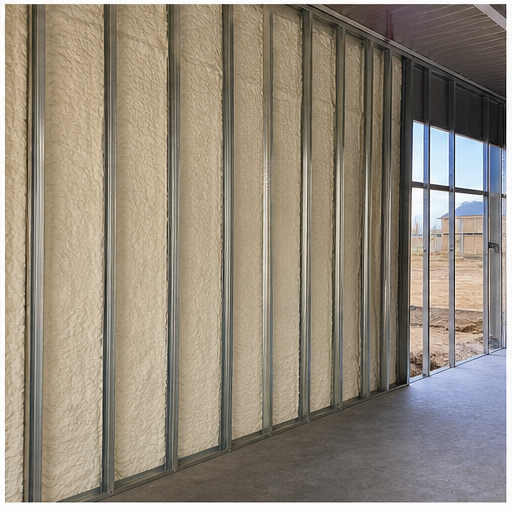
Farmington Spray Foam Insulation Pros routes crawl space insulation requests to local contractors serving Farmington, NM and San Juan County.
Crawl space insulation help for cold floors, moisture concerns, and air-sealing projects. Use the form to include the property area, timing, access details, approximate size, and current condition.
About This Service
A strong quote request names the property city, the building type, the approximate area to be insulated, and the main goal for the project. That single paragraph of context is often the difference between a rough phone-quote and a bid that holds up once a contractor is on site.
What Affects The Quote
- Building type, framing depth, and whether framing or metal panels are exposed.
- Access, ventilation, cure/re-entry timing, and site conditions.
- Whether the job is new construction, a retrofit, or a repair after moisture or pest damage.
- Photos, measurements, and notes about existing insulation or symptoms.
Why crawl space moisture is a year-round question here
Farmington's climate is dry most months, but a vented crawl space still deals with ground moisture, plumbing condensation, and irrigation runoff from nearby landscaping or agricultural land along the Animas and San Juan river valleys. A crawl space that seems fine in the dry heat of June can pick up real moisture during the summer monsoon pattern in July through September, when short, intense storms send water toward foundations that were never graded for heavy runoff. Because the moisture problem is seasonal rather than constant, it is easy for a homeowner to miss until a musty smell, visible mold, or a damp subfloor shows up well after the storm that caused it.
How vapor barriers and foam work together
Spray foam insulation and a ground vapor barrier solve two different parts of the same problem. The vapor barrier controls moisture coming up from the soil, while foam applied to the crawl-space walls or rim joists controls air leakage and adds R-value to the assembly. Skipping one while doing the other often leaves the underlying issue unresolved — foam sprayed over a wall with no ground vapor control can still see moisture problems from below, and a new vapor barrier with no air sealing at the rim joist still leaves a major heat-loss path open. A contractor scoping a crawl-space job should look at both the ground cover and the wall or joist insulation together.
Cold floors and San Juan County winters
An uninsulated or poorly insulated crawl space is one of the most common reasons for cold floors in a Farmington home during a hard winter cold snap, since the vented space beneath the house is exposed to outside air temperatures. Beyond comfort, exposed plumbing lines running through a cold crawl space are at real risk of freezing during the coldest nights of the year, particularly in older homes where pipes were not originally insulated or routed with freeze protection in mind. Insulating the crawl-space walls and sealing the rim joist reduces both problems by keeping the space closer to the temperature of the conditioned house above it rather than the outside air.
Pest history and prior water damage
Crawl spaces with a history of rodent activity, wood-boring insects, or standing water need that history addressed before or during the insulation work, not treated as a separate problem. Old batt insulation that has been compressed, chewed, or soaked is typically removed and disposed of before new foam or vapor barrier work begins, and that removal is usually priced as its own line item. Mentioning any known pest history, past water intrusion, or repairs already made helps a contractor understand what they are walking into and avoid surprises once they are under the house. This is also a reasonable point to mention any structural repairs already completed, such as sistered joists or replaced sill plates, since those repairs can affect where and how foam is applied around them.
Access and prep for a crawl space job
Crawl-space access height, entry point location, and how much of the space is open versus obstructed by ductwork, plumbing, or storage all affect how long a job takes and how it is priced. A tight, low-clearance crawl space with limited access takes longer to work in than a taller, more open one, even at the same square footage. Photos of the access point, the general condition of the space, and any visible moisture, staining, or damage help a contractor plan the visit and bring the right equipment the first time.
Encapsulation as a broader option
Some Farmington homeowners request a full crawl-space encapsulation rather than a targeted insulation job — sealing vents, covering the ground and walls with a heavy vapor barrier, insulating the perimeter, and sometimes adding a dehumidifier or conditioned air supply to the space. Encapsulation is a bigger project than wall or rim-joist foam alone, and it is usually considered when a crawl space has a chronic moisture history, noticeable odor, or is affecting indoor air quality in the rooms above. A quote request does not need to specify encapsulation versus a narrower scope up front; describing the symptoms and letting the contractor recommend a scope after seeing the space is a reasonable approach.
Questions to ask about a crawl space bid
Ask whether the quote includes ground vapor barrier work, wall or rim-joist foam, or both, since crawl-space bids can vary widely depending on scope. Ask how old insulation and any debris will be removed and disposed of. Ask whether the contractor addresses vent closure or crawl-space encapsulation as part of the plan, and how that interacts with the home's existing ventilation strategy. The Farmington spray foam cost guide covers more of the factors that separate a narrow-scope bid from a full crawl-space plan.